

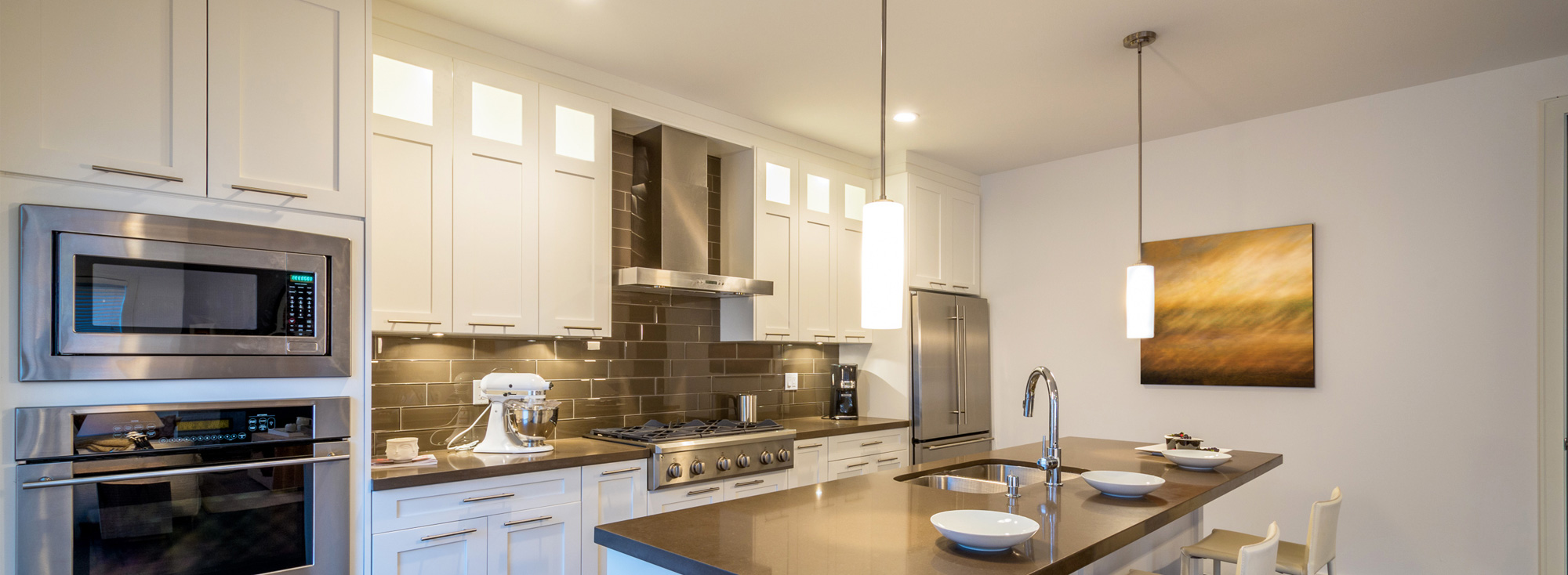
Maintenance costs are one of the largest ongoing expenses associated with owning a residential rental property. HVAC servicing, plumbing repairs, roof maintenance, and appliance replacements all require a consistent financial commitment to keep a rental home in excellent condition. Because of this, some landlords assume that reducing maintenance costs means delaying repairs or settling for lower-quality work.
In reality, the most effective way to control maintenance expenses is not to spend less, but to spend smarter. Professional property managers use preventive maintenance, trusted vendor relationships, and organized systems to reduce unnecessary costs while preserving the condition of the property. For Nashville rental owners, this proactive approach helps protect both property value and long-term returns.
As part of a comprehensive maintenance strategy, many landlords also prioritize seasonal upkeep, including proper winter property preparation, to minimize preventable issues throughout the year.
Read on to learn how experienced property managers control maintenance costs without cutting corners and why these strategies can strengthen your investment over time.
Key Takeaways
- Preventive maintenance helps landlords avoid expensive emergency repairs and system failures.
- Strong vendor relationships allow property managers to secure quality service at competitive rates.
- Maintenance tracking and budgeting support smarter financial decisions.
- Consistent upkeep protects property value and encourages tenant retention.
Why Preventive Maintenance Is the Foundation of Cost Control
Preventive maintenance is one of the most effective ways to reduce maintenance expenses while maintaining the quality of a rental property. Rather than waiting for systems to fail, property managers focus on identifying and addressing issues before they become costly problems.
How Does Preventive Maintenance Reduce Maintenance Costs?
Property managers reduce maintenance costs by:
- Identifying issues before they become emergencies
- Extending the lifespan of major property systems
- Reducing the need for costly after-hours repairs
- Preventing minor problems from causing extensive damage
Reactive maintenance may seem cost-effective initially, but small issues can quickly become expensive repairs. A minor plumbing leak, for example, can eventually lead to damaged flooring, drywall repairs, and restoration costs. Preventive maintenance helps property managers address concerns early, which can reduce repair expenses over time.
Why Are Routine Property Inspections Important for Cost Control?
Regular inspections help uncover maintenance concerns that may not be immediately visible to owners or tenants. Common examples include hidden leaks, roof deterioration, HVAC inefficiencies, and moisture intrusion.
Early detection of moisture problems is particularly important because prolonged exposure can contribute to mold growth and more extensive property damage. By identifying issues before they escalate, property managers can schedule repairs strategically instead of dealing with costly emergencies.
What Seasonal Maintenance Tasks Help Nashville Landlords Avoid Expensive Repairs?
Middle Tennessee's changing weather patterns create unique maintenance demands for rental properties. Property managers often schedule seasonal tasks such as:
- HVAC inspections before summer
- Gutter cleaning during the fall
- Weatherproofing before winter
- Drainage evaluations after heavy rainfall
Scheduling routine HVAC maintenance before Nashville's hottest months can improve system performance and help reduce preventable breakdowns. A structured maintenance calendar protects major systems while helping owners avoid unexpected repair costs.
How Property Managers Reduce Repair Costs through Strategic Vendor Management
Maintenance cost control is not just about preventing repairs. It also involves ensuring repairs are completed efficiently and correctly when they are needed.
How Do Vendor Relationships Help Control Maintenance Costs?
Experienced property managers maintain relationships with licensed, insured, and dependable contractors who consistently provide quality work. These partnerships often lead to:
- Faster response times
- Reliable workmanship
- Better communication
- More competitive pricing
Because vendors receive ongoing business from property management companies, they may offer priority scheduling and, in some cases, more favorable pricing. These savings can benefit property owners without sacrificing repair quality.
Why Is the Cheapest Repair Often the Most Expensive?
Choosing the lowest-cost repair option may save money initially, but it can create larger expenses later if the underlying issue is not fully resolved.
Short-term approach:
- Lowest available bid
- Temporary solutions
- Higher likelihood of repeat repairs
Professional management approach:
- Qualified contractors
- Durable materials
- Long-term repair solutions
Addressing the root cause of a maintenance issue typically produces better financial results than repeatedly paying for temporary fixes. This is particularly true when dealing with significant damage. Situations involving rental property damage often highlight the value of quality repairs that prevent recurring problems.
How Do Systems and Planning Improve Maintenance Efficiency?
Effective maintenance management requires organization as well as expertise. Property managers use systems and planning to improve efficiency and reduce avoidable expenses.
Why Is Maintenance Tracking Important?
Professional property managers maintain records that document repair histories, equipment performance, vendor activity, and recurring maintenance issues.
These records help identify trends, support budgeting decisions, and provide valuable information when evaluating future repairs or replacements. Accurate documentation allows owners to make more informed decisions about their properties.
How Does Technology Help Reduce Maintenance Expenses?
Modern property management software streamlines maintenance operations by helping tenants submit requests, allowing managers to track repairs, and improving communication with vendors.
Faster communication often results in faster resolutions, reducing the likelihood that a small maintenance concern will become a larger and more expensive problem.
Why Should Landlords Budget for Maintenance Throughout the Year?
Unexpected repairs can place significant strain on rental property finances. Property managers help owners forecast maintenance expenses so they can prepare for routine upkeep, seasonal maintenance, and future system replacements.
Many landlords rely on detailed monthly owner reports to monitor maintenance activity, track expenses, and make informed investment decisions. Planned spending reduces financial surprises and supports long-term profitability.
How Does Quality Maintenance Improve Long-Term Investment Performance?
Maintenance should be viewed as an investment in the property's future, not simply an operating expense.
How Does Responsive Maintenance Improve Tenant Retention?
Tenants are more likely to renew their leases when they live in a well-maintained home and feel their concerns are addressed promptly.
Higher tenant retention can reduce the costs associated with vacancies, marketing, property turnover, and tenant placement. Over time, reducing turnover can produce substantial savings that contribute to overall property performance.
How Can Tenant Communication Prevent Property Damage?
Tenants are often the first to notice maintenance issues. Property managers encourage residents to report problems quickly so repairs can be completed before significant damage occurs.
Prompt reporting of leaks, HVAC concerns, plumbing issues, and other maintenance problems helps protect both the property and the owner's budget.
Why Does Consistent Maintenance Protect Property Value?
Well-maintained rental properties retain their appeal and marketability over time. Routine upkeep helps preserve structural integrity, extend the lifespan of major systems, and maintain curb appeal.
For Nashville property owners focused on long-term returns, consistent maintenance remains one of the most effective strategies for protecting and enhancing property value.
FAQs
1. How much should landlords budget annually for maintenance?
The exact amount depends on the property's age, condition, and systems. Maintaining a dedicated maintenance reserve can help cover routine repairs, seasonal upkeep, and unexpected issues.
2. Can preventive maintenance really save money over time?
Yes. Preventive maintenance helps address small problems before they become major repairs, reducing emergency expenses and extending the lifespan of important property systems.
3. Why do property managers often have lower maintenance costs than self-managing landlords?
Property managers benefit from established vendor relationships, negotiated pricing, proactive inspections, and organized maintenance systems that help control expenses while maintaining quality.
4. What maintenance issues should tenants report immediately?
Tenants should promptly report plumbing leaks, HVAC malfunctions, electrical concerns, roof leaks, water intrusion, and other issues that could worsen if left unaddressed.
The Real Savings Come from Smart Management
The most successful rental property owners understand that controlling maintenance costs is not about delaying repairs or choosing the cheapest option available. Sustainable savings come from proactive planning, strategic decision-making, and consistent property care.
Preventive maintenance, trusted vendor partnerships, organized maintenance systems, and responsive communication work together to reduce unnecessary expenses. These efforts also help preserve the quality of a rental home. When these strategies are applied consistently, landlords can avoid many of the costly surprises that undermine profitability.
At Browning & Gordon, we have helped Nashville property owners protect their investments through thoughtful residential property management for decades. We understand how to balance cost control with long-term property preservation, helping owners maximize returns without sacrificing quality.
If you want a professional partner focused on protecting your investment and simplifying property ownership, contact us today to learn how we can help.